Technion — Israel Institute of Technology
Haifa, Israel
B.Sc. in Mechanical Engineering — cum laude · GPA: 90.8
Relevant Coursework

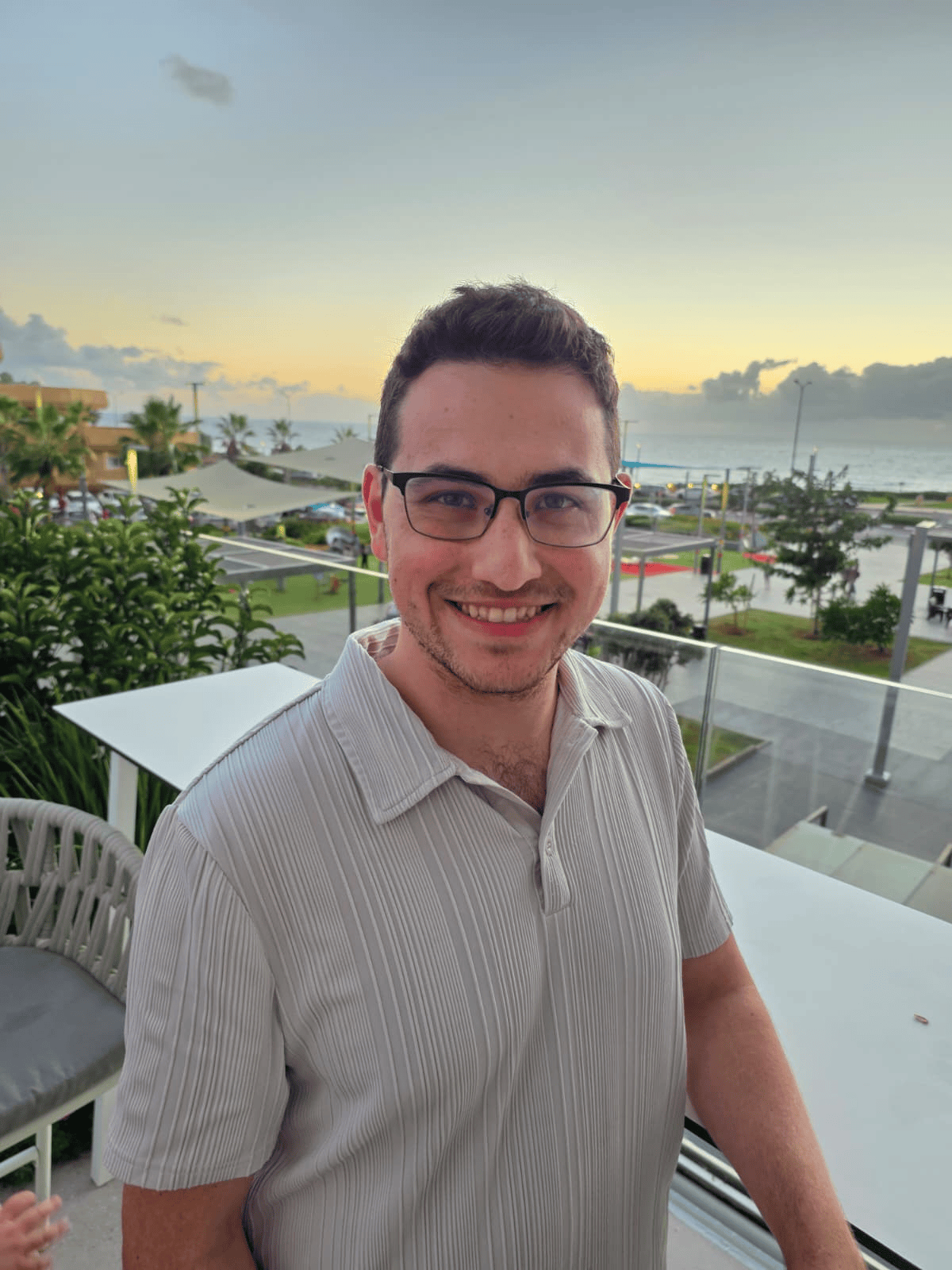 YM
YM
Mechanical Engineering Graduate (B.Sc., cum laude) — Technion
I'm a mechanical engineer with a curious mind and a love for solving hard problems. I enjoy working through something complex and turning it into a clean, innovative solution. What drives me most is pushing past what people assume is possible. I question assumptions and test the limits of a problem instead of settling for the easy answer.
My work covers fluid mechanics, heat transfer, CFD, and numerical analysis, along with hands on design in SolidWorks. I'm strongest where simulation meets physical intuition, from missile aerodynamics to physics informed neural networks and medical device biodesign. In every project I focus on understanding how a system really behaves and using that to build something better.
Haifa, Israel
B.Sc. in Mechanical Engineering — cum laude · GPA: 90.8
Relevant Coursework
Technion — Israel Institute of Technology, Haifa, Israel
Technion — Israel Institute of Technology, Haifa, Israel
OptimumHMG, Boca Raton, Florida
New You LLC, Boca Raton, Florida
Biodesign Israel Innovation Program, Haifa, Israel
Biorobotics & Biomechanics Lab, Technion, Haifa, Israel
Scroll sideways to browse projects → open one for the full write-up below.
 images/GeneratedNodesWithConnections.png
 images/generalmesh.png
 images/pinn-cavity.png
 images/treadmill-assembly.png
 images/ear-device.pngimages/GeneratedNodesWithConnections.png
 images/TargetNodes.png
 images/ErrorIteration.png
 images/TimeBasedTargets.png
 images/TimeBasedConvergence.png
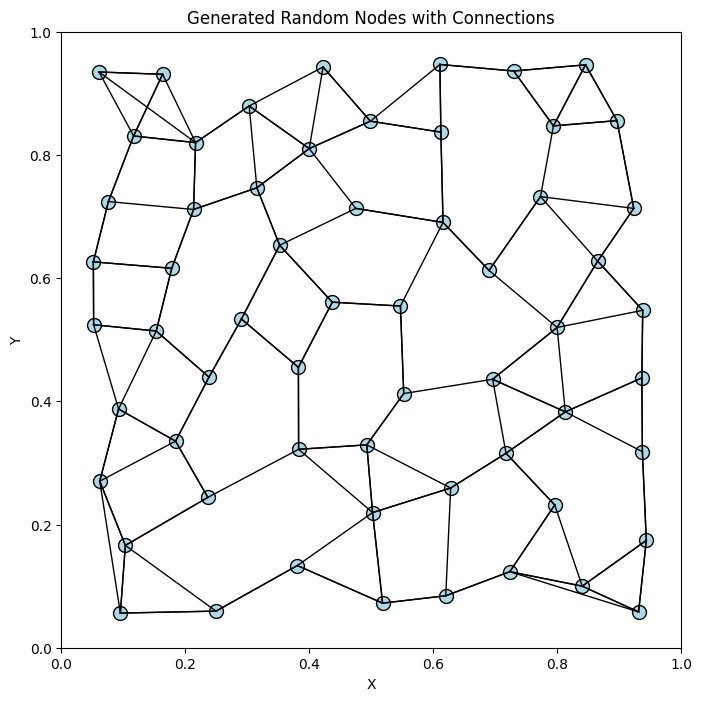
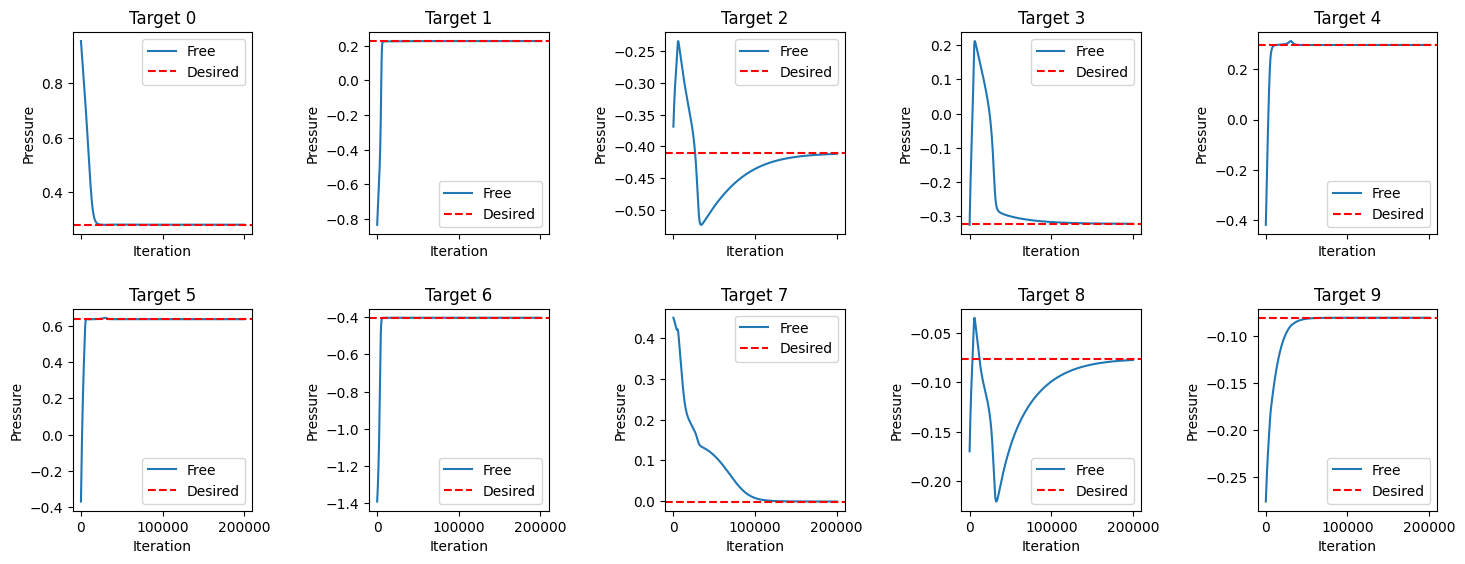
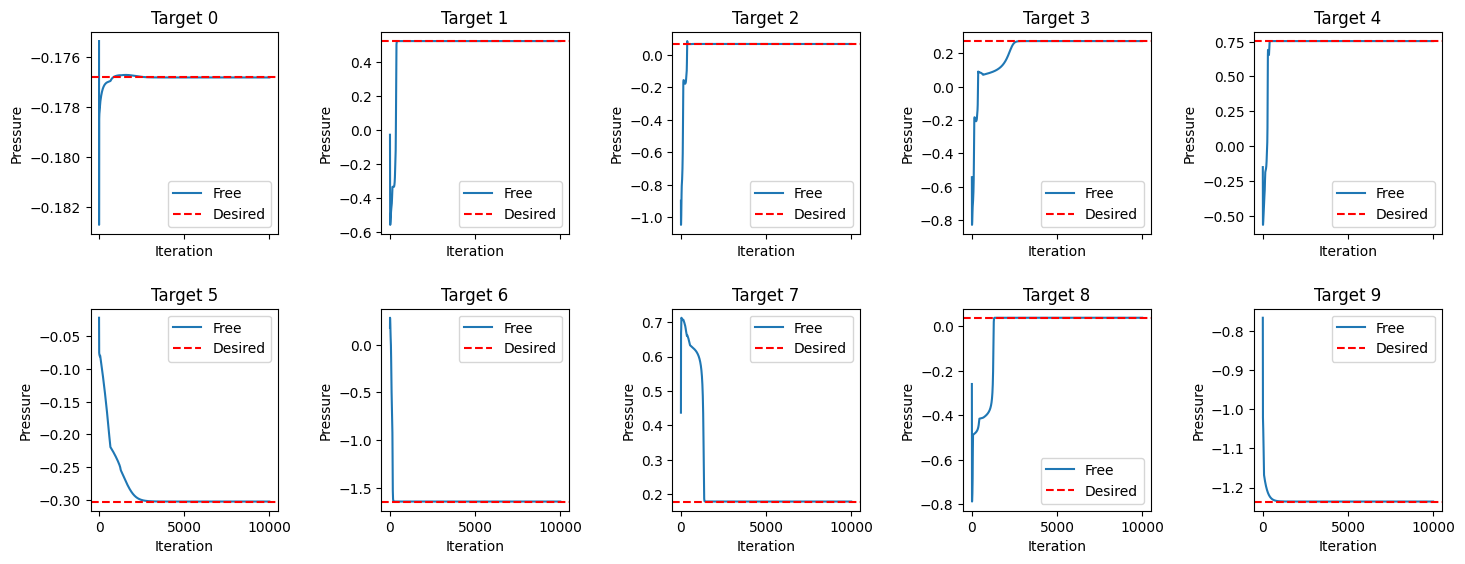
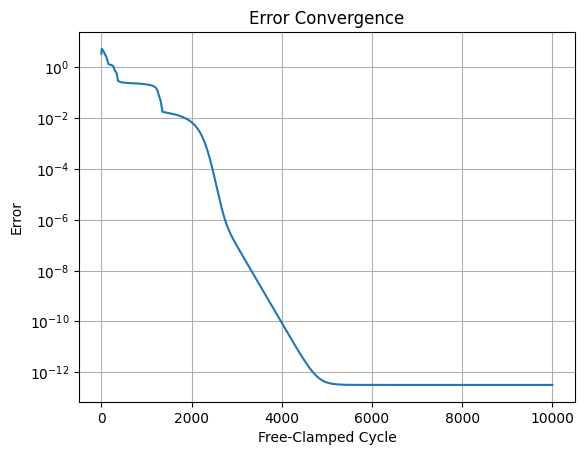
The goal: Stern, Hexner, Rocks & Liu (PRX, 2021) show that a mechanical network — a web of nodes joined by tunable edges (think springs or resistors) — can learn a task on its own, with no central computer calculating gradients. Inputs are imposed at certain source nodes and a desired response is defined at target nodes; the network then trains itself with a purely local rule (“coupled learning”) by comparing its free response to a gently nudged one, letting each edge adjust its own conductance/stiffness using only information at its two ends. Iterating this drives the outputs toward the targets, so the material itself becomes the learning machine.
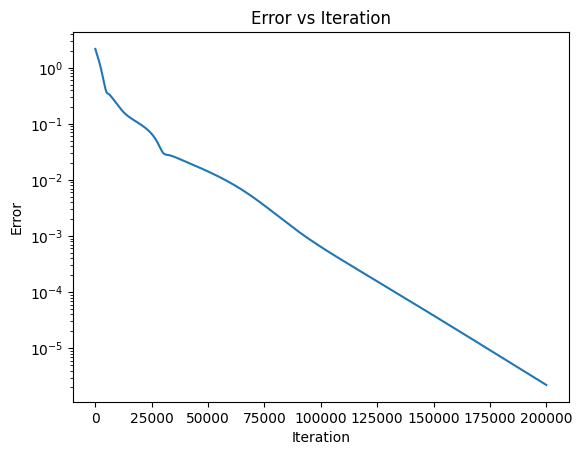
What I did: I first reproduced the paper’s results from scratch in a single Google Colab notebook — building the network, applying the local learning rule, and plotting the training error as it converges. I then extended the model with concrete physical manifestations: making the learning time-based — using numerical methods (numerical integration of the governing ODEs) to evolve the network in time rather than jumping straight to a steady state — and imposing physically meaningful constraints such as positive pressures / flows, so the abstract model behaves more like a real, buildable physical system — i.e. more realizable.
 images/cfd-mesh.png
 images/cfd-velocity.png
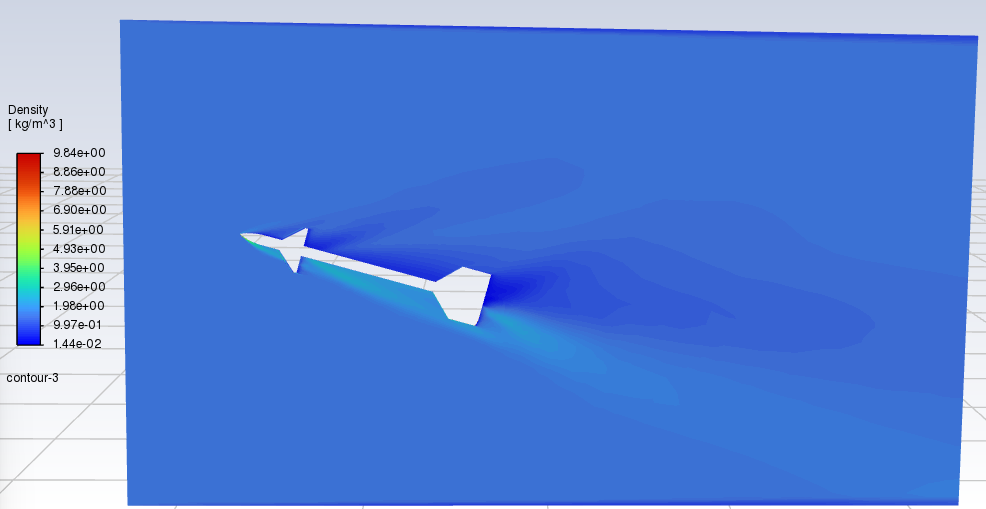 images/cfd-density-mach3.5.png
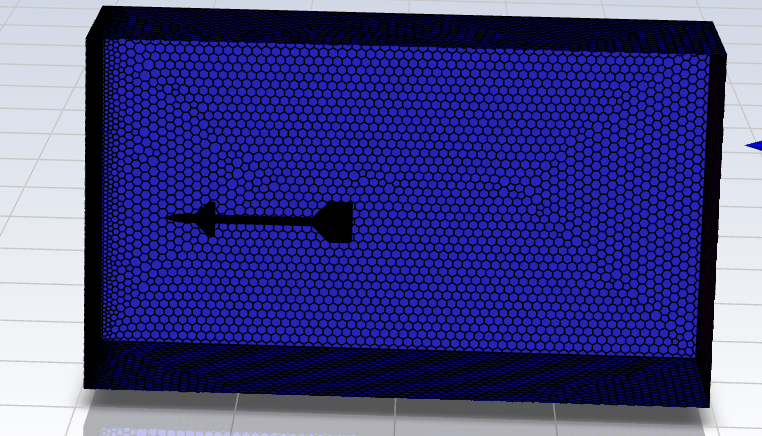
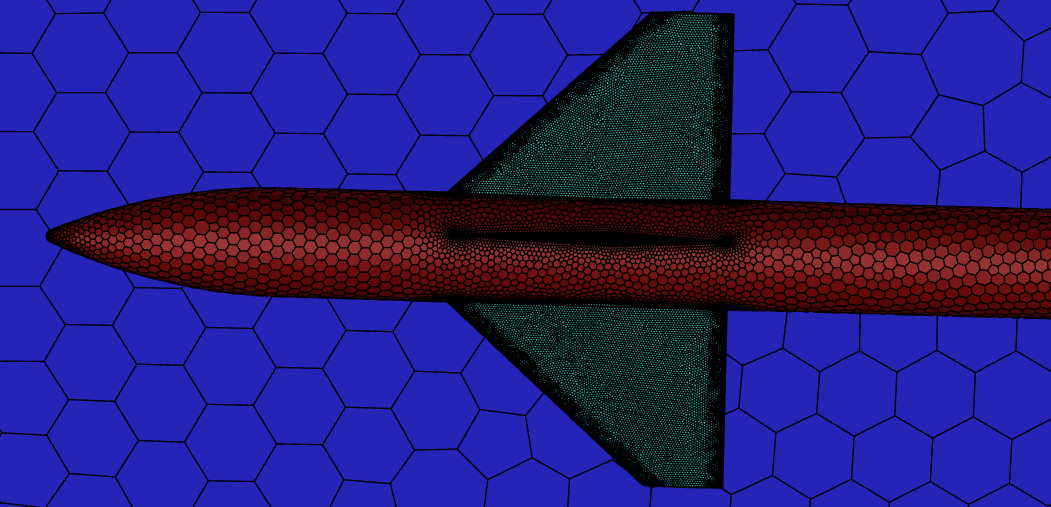
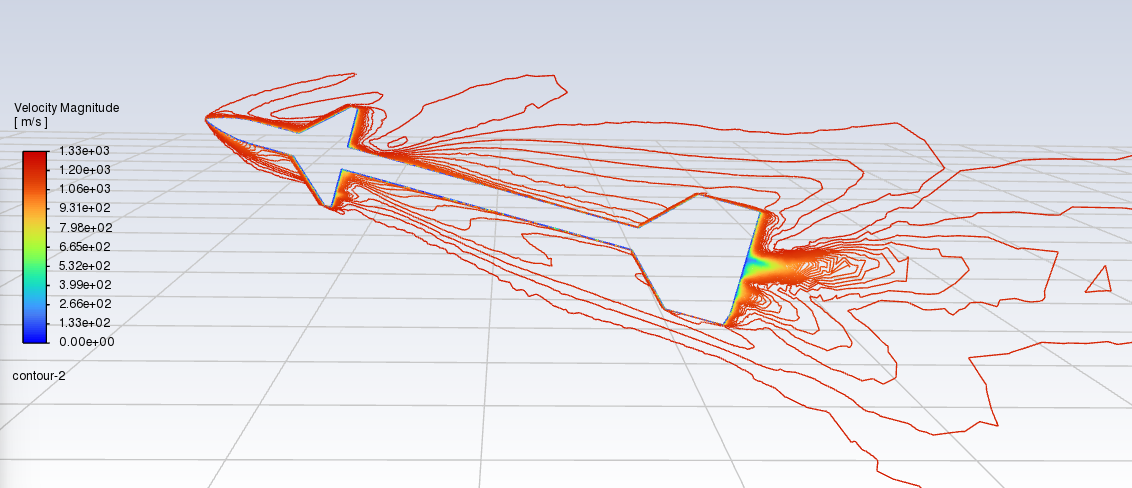
The goal: Reproduce and validate the supersonic aerodynamics of a NASA canard-controlled missile against published wind-tunnel data, across a range of angles of attack and Mach numbers.
What I did:
References (geometry & validation data): A. B. Blair, Jr., “Wind-Tunnel Investigation at Supersonic Speeds of a Canard-Controlled Missile With Fixed and Free-Rolling Tail Fins,” NASA Technical Paper 1316 (1978); A. B. Blair, Jr., J. M. Allen & G. Hernandez, “Canard-Controlled Missile at Supersonic Mach Numbers,” NASA Technical Paper 2157 (1983).
 images/pinn-advection.png
 images/pinn-burgers.png
 images/pinn-cavity.png
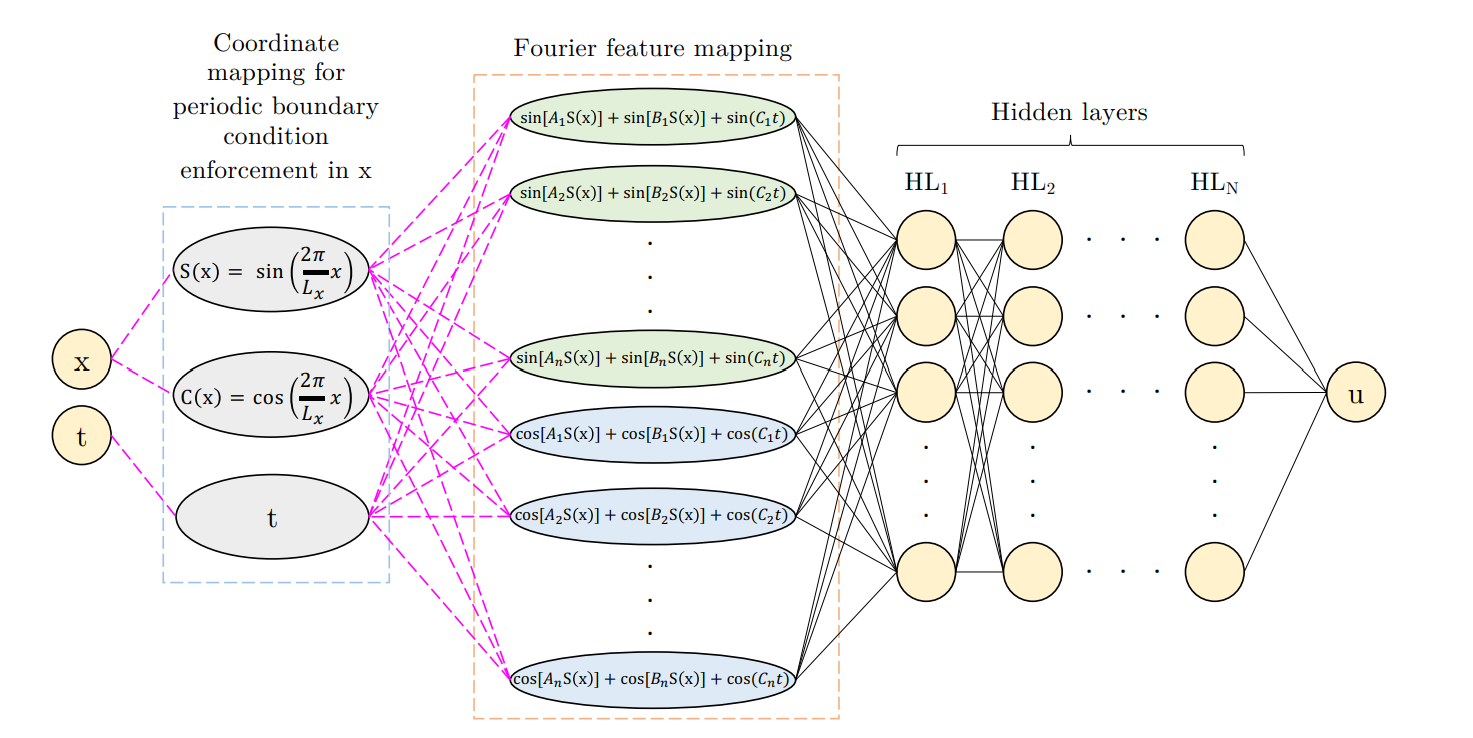
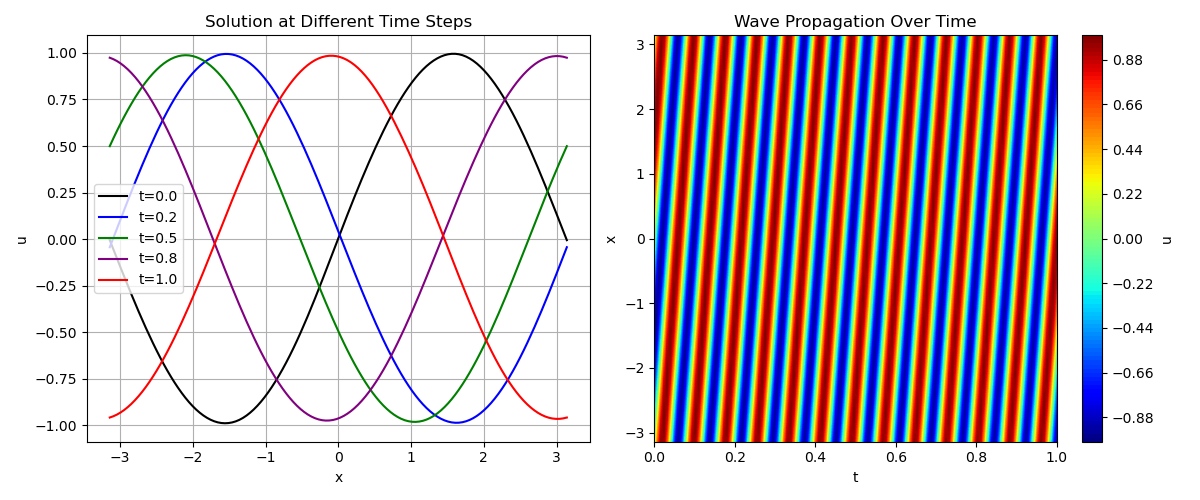
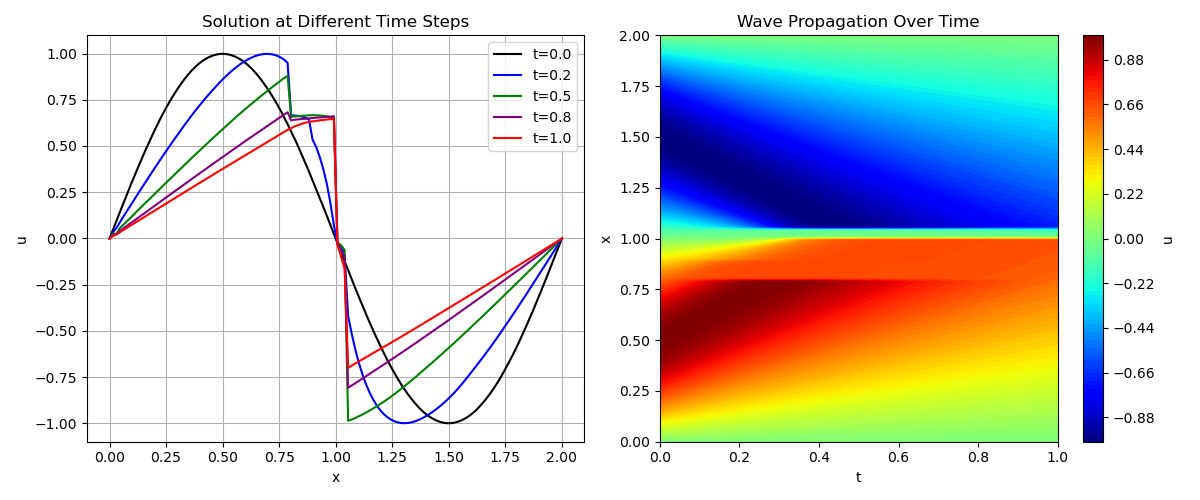
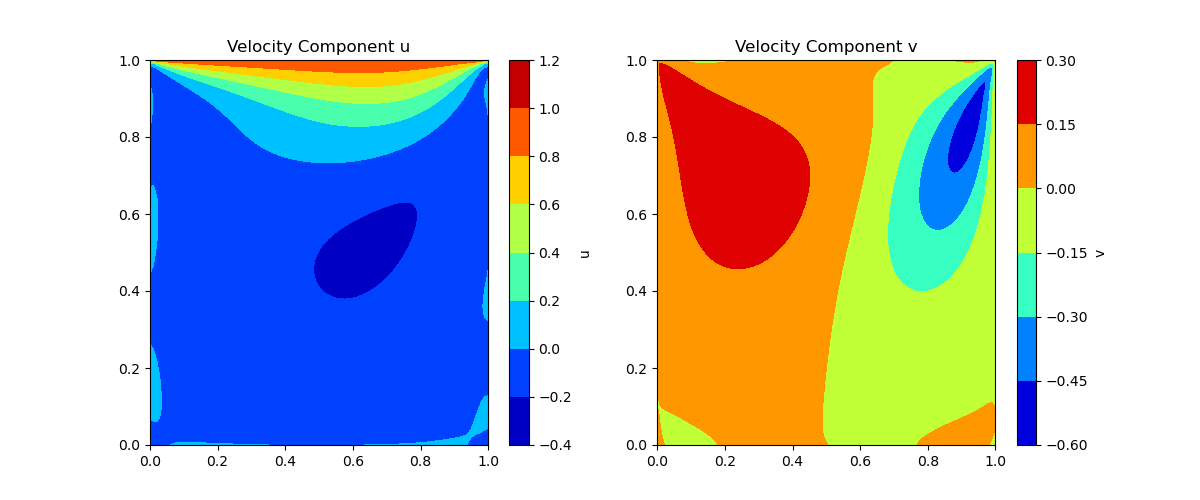
The goal: Build a state-of-the-art PINN framework that solves complex PDEs accurately and efficiently without large labeled datasets — by embedding the governing equations and boundary conditions directly into the network's loss, so the solution is forced to obey the underlying physics — and then push its accuracy with targeted enhancements.
I solved three increasingly difficult problems and validated each against analytical or high-resolution numerical solutions:
What I added to the baseline PINN:
Method. A 4-layer network (64 units/layer, tanh) trained with the Adam optimizer at a learning rate of 0.001 plus a learning-rate scheduler, over 50,000+ iterations. Together these enhancements markedly improved convergence and accuracy on the stiff, high-frequency, and nonlinear cases — underlining how robust PINNs can be for fluid-dynamics and wave-propagation problems.
Read the paper (PDF) →
Y. N. Marcus, “Optimizing Physics-Informed Neural Networks for Solving Partial Differential Equations,”
Applied Machine Learning for Scientists and Engineers, Technion — Final Project (2025).
 images/treadmill-assembly.png
 images/treadmill-stress.png
 images/treadmill-frequency.png
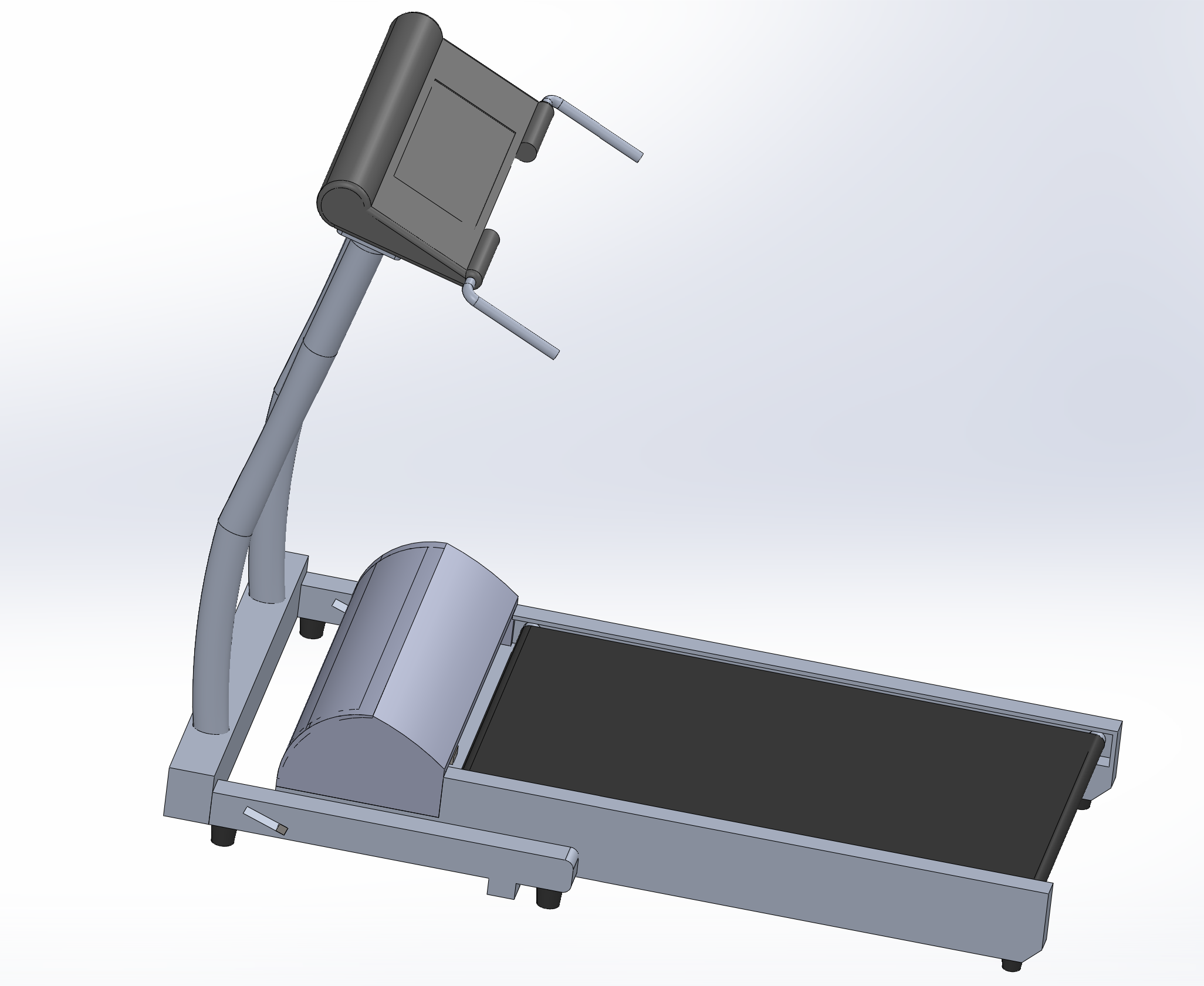
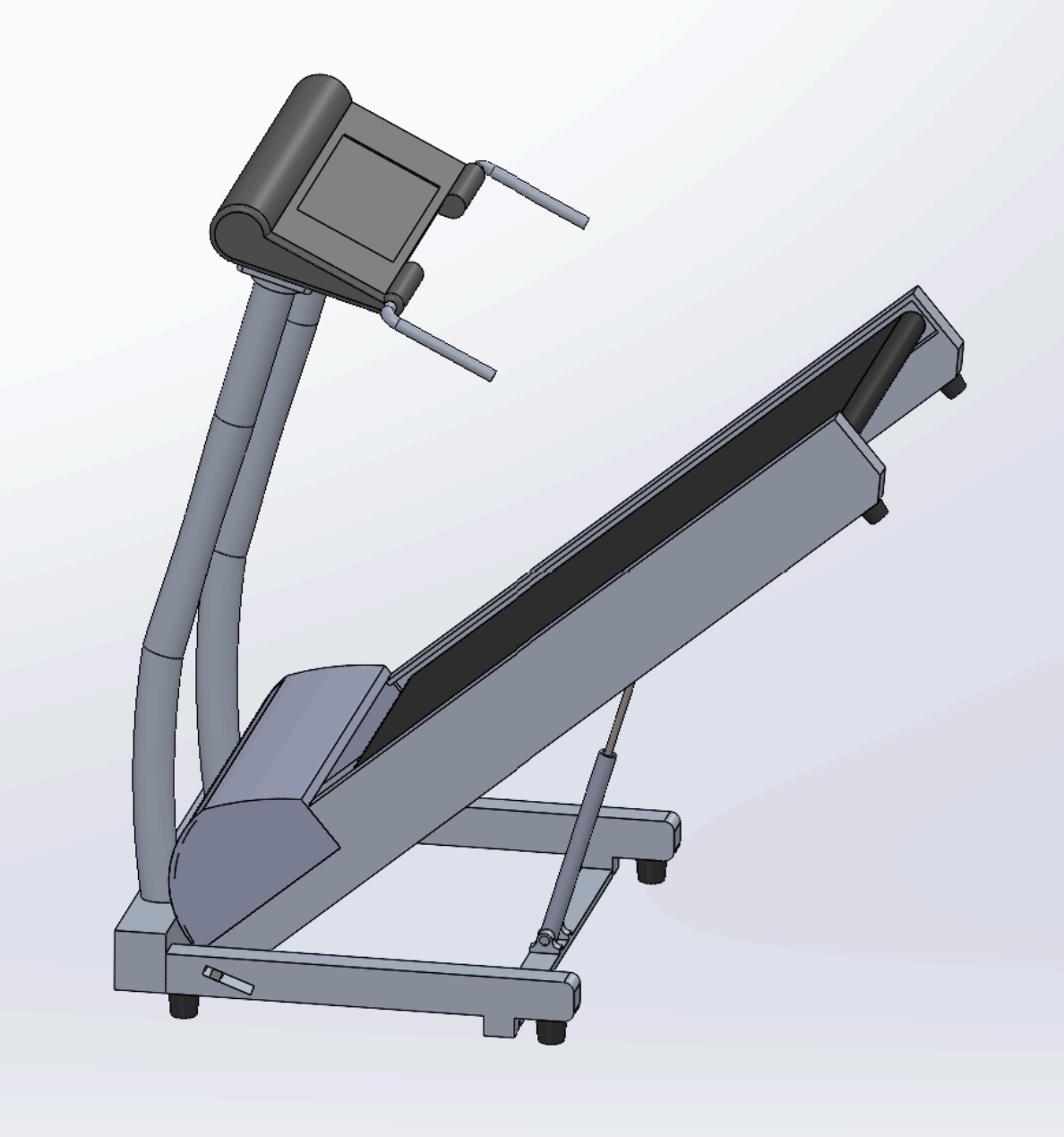
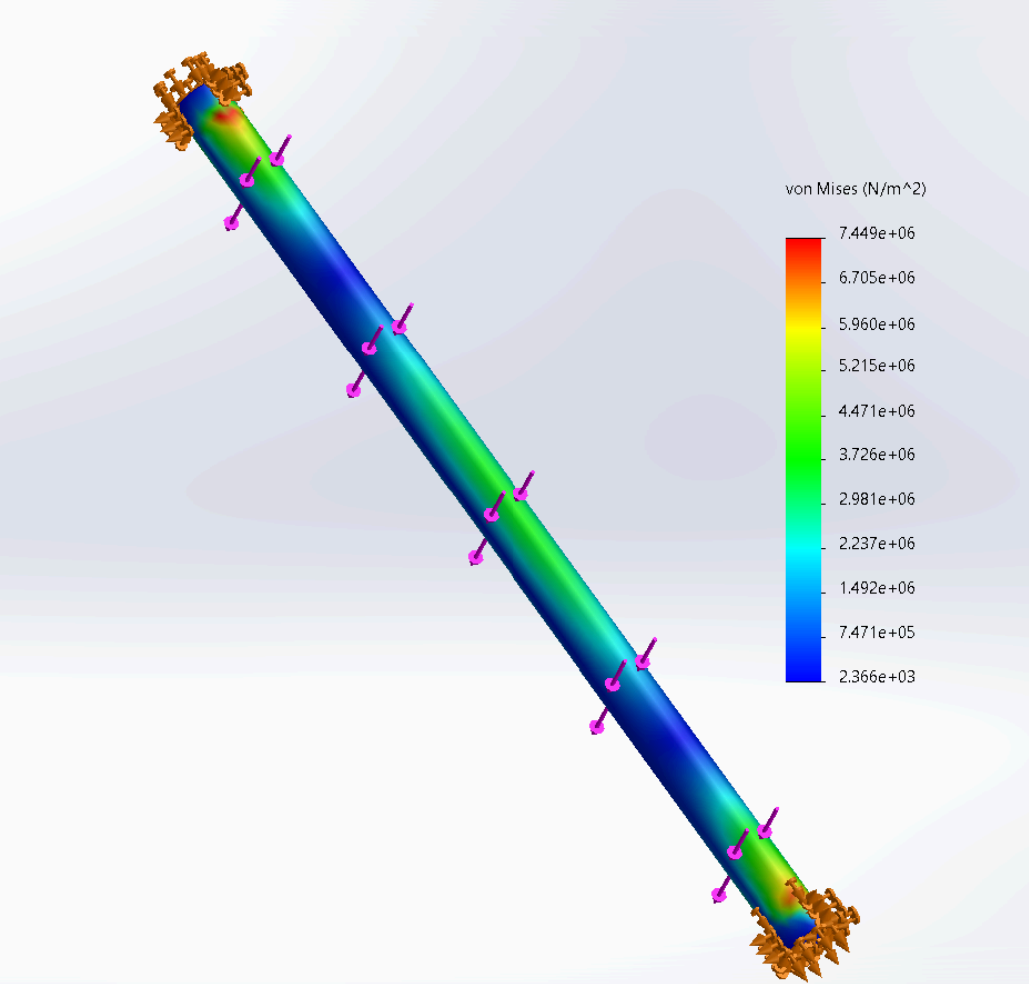
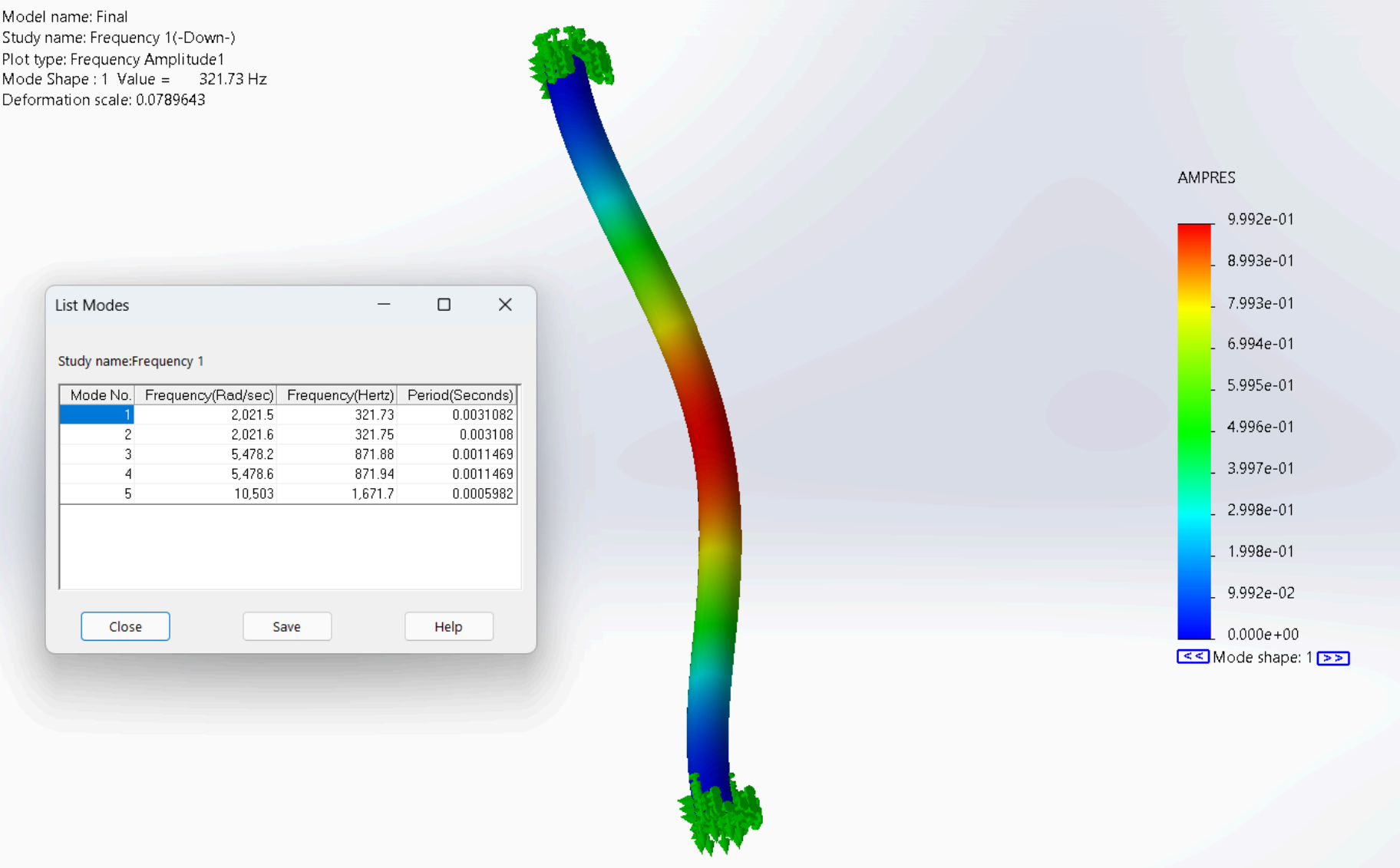
The goal: Design a complete, manufacturable treadmill and verify it is both safe and dynamically sound — that it carries a running user without overstress, and that its belt roller will not resonate under repeated footfalls.
What I did:
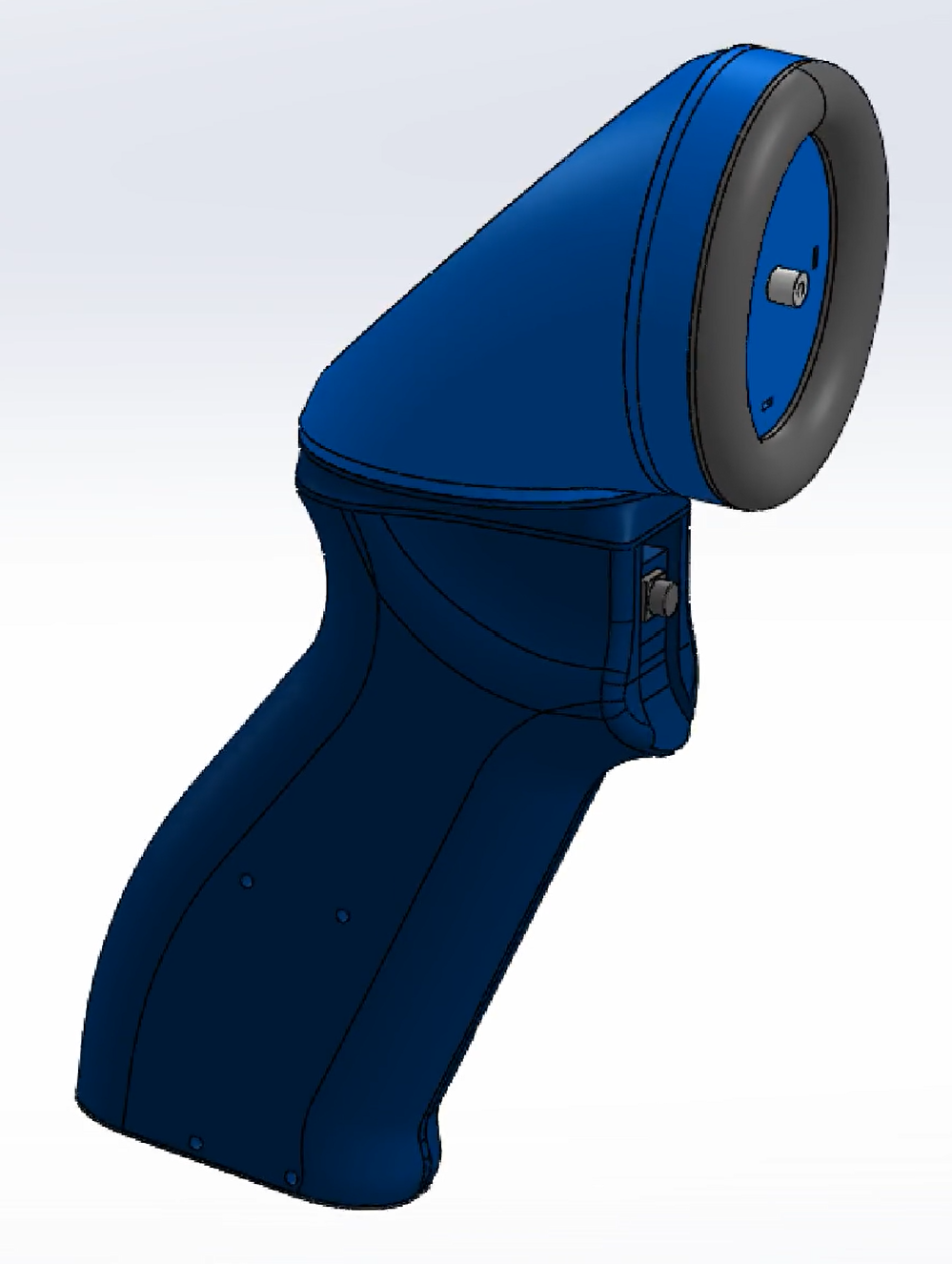
The goal. Diagnosing ear infections in children today is largely subjective, which drives unnecessary antibiotic use. The aim was a noninvasive, objective, point-of-care device that gives a quick answer — not just whether a child has an ear infection, but which type (bacterial, viral, or none) — by sensing the volatile organic compounds (VOCs) that are the metabolic byproducts of each.
What I did.
Note: the specific sensing approach is under NDA — the animation above shows the general design only.
TAMID Group, Haifa, Israel
Nucleate & DDR&D Biodefense Hackathon, Tel Aviv, Israel
Hinenu Data Group, Hashmonaim, Israel
Katz Yeshiva High School, Boca Raton, Florida
MATLAB (Numerical Analysis), Python (TensorFlow, PyTorch, NumPy, Matplotlib, PINNs)
HTML, CSS, Java
Advanced SolidWorks (Parts, Assemblies, Drawings, Simulations, Animations), Creo Parametric
Excel, PowerPoint, Word
Ansys Fluent, JMP, Jupyter Notebook, Overleaf / LaTeX